The need for a comprehensive and readily available Air Balance Report Template is increasingly prevalent across various industries – from construction and HVAC to environmental monitoring and even food processing. Accurate air quality assessment is crucial for maintaining operational efficiency, ensuring worker safety, and meeting regulatory compliance. A well-structured Air Balance Report Template provides a standardized framework for collecting, analyzing, and documenting air quality data, facilitating informed decision-making and proactive problem-solving. This article will delve into the essential components of an effective Air Balance Report Template, exploring its benefits, key features, and practical implementation. Air Balance Report Template is more than just a document; it's a tool for progress.
The foundation of any robust Air Balance Report Template lies in its clarity and comprehensiveness. It shouldn't be a cumbersome, overly complex document; instead, it should be designed to be easily understood and utilized by a diverse range of stakeholders. A successful template facilitates consistent data collection, reduces errors, and ultimately leads to more reliable air quality insights. Consider the different types of data you'll be collecting – particulate matter (PM2.5, PM10), volatile organic compounds (VOCs), gases, and temperature – and tailor the template accordingly. A flexible design is key to adapting to evolving needs and incorporating new data sources. Investing in a quality template is an investment in your organization's air quality management strategy.
Understanding the Core Components of an Air Balance Report Template
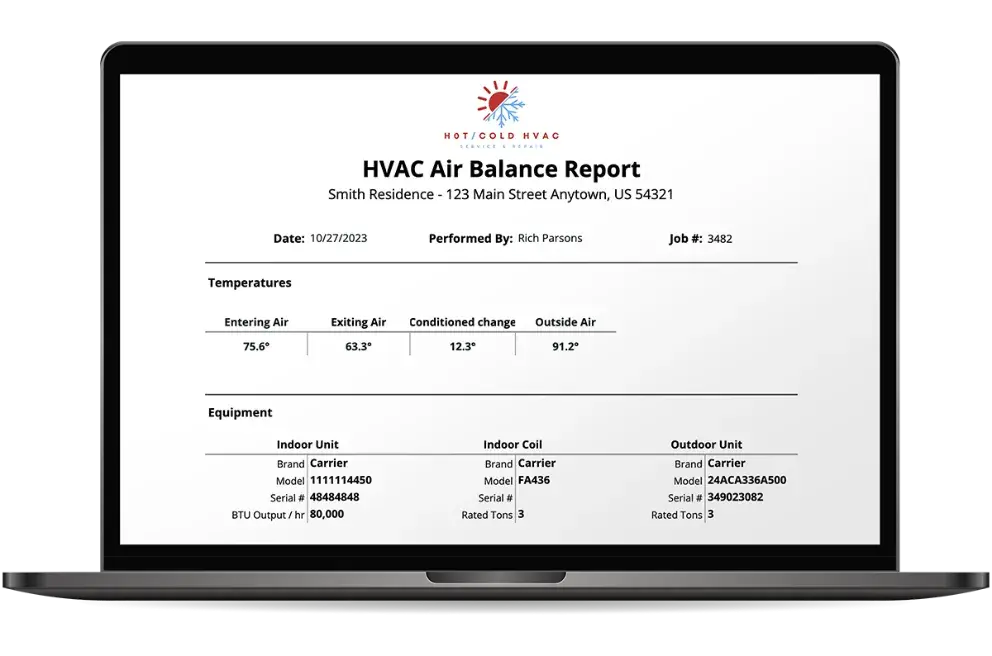
Before diving into the specific features, let's outline the core components that should be included in an effective Air Balance Report Template. A solid template typically incorporates the following elements:

- Date and Time: Record the date and time of the air quality measurement. This is essential for tracking trends and identifying patterns.
- Location: Specify the precise location where the air quality measurements were taken. This could be a building, a room, or a specific area.
- Measurement Method: Detail the method used to collect the air quality data. This could include using a calibrated anemometer, a gas analyzer, or a combination of methods.
- Sensor Information: Include details about the sensors used, including manufacturer, model number, calibration dates, and any relevant specifications.
- Environmental Conditions: Record relevant environmental conditions, such as temperature, humidity, wind speed, and solar radiation. These factors can significantly influence air quality.
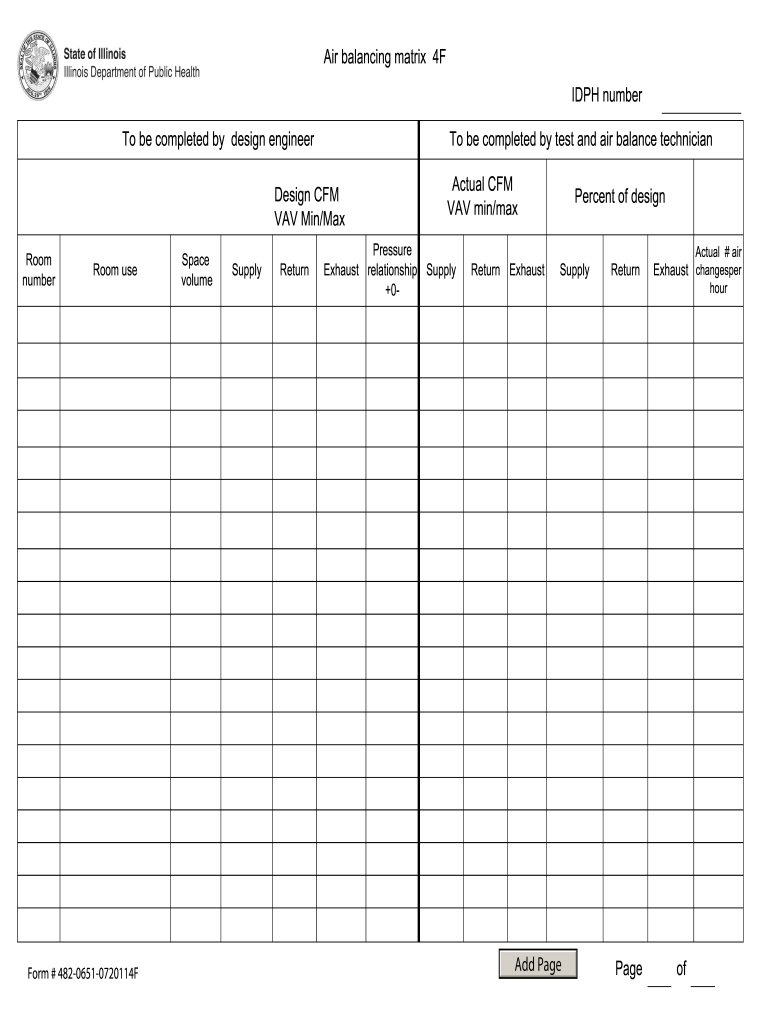
- Air Quality Data: This is the heart of the report. It should present the measured air quality values for each parameter. Use clear and concise units (e.g., µg/m³ for particulate matter).
- Data Validation: Include a section for data validation, where you check for outliers and potential errors. This is crucial for ensuring the accuracy and reliability of the data.
- Notes and Observations: A space for documenting any relevant observations or anomalies during the measurement. This could include unusual smells, changes in air quality, or equipment malfunctions.
Section 1: Detailed Air Quality Data Collection
This section focuses on the systematic process of collecting air quality data. It's vital to establish a consistent protocol to ensure data quality and comparability. A well-defined protocol will minimize variability and improve the reliability of the report. Consider incorporating these elements:

- Method Selection: Clearly state the chosen measurement method and justify its suitability for the specific location and application.
- Calibration Procedures: Detail the calibration schedule for all sensors used. Record the calibration dates and results.
- Data Logging: Describe the data logging system used (e.g., handheld anemometer, data logger). Specify the data logging frequency and format.
- Quality Control Checks: Outline the procedures for performing quality control checks to ensure data accuracy. This might include visual inspection of sensors, checking for drift, and verifying calibration.
- Data Recording Format: Specify the format in which the data will be recorded (e.g., CSV, Excel).
Section 2: Analyzing Air Quality Trends
This section is dedicated to examining trends in air quality data over time. Analyzing trends can reveal potential problems and inform corrective actions. Key elements include:

- Time Series Plots: Include time series plots of air quality data to visualize trends. Clearly label the axes and provide a title.
- Statistical Analysis: Perform statistical analysis (e.g., calculating averages, standard deviations, and correlations) to identify significant trends.
- Anomaly Detection: Implement anomaly detection techniques to identify unusual spikes or drops in air quality.
- Correlation Analysis: Investigate correlations between air quality data and environmental conditions. For example, does particulate matter levels increase during periods of high wind?
- Reporting on Changes: Document any observed changes in air quality and their potential causes.
Section 3: Specific Parameter Analysis
This section provides a deeper dive into the analysis of specific air quality parameters. It's important to tailor the analysis to the specific needs of the application.
- Particulate Matter (PM2.5 & PM10): Analyze PM2.5 and PM10 levels, considering their health impacts. Discuss sources of particulate matter and potential mitigation strategies.
- Volatile Organic Compounds (VOCs): Identify and quantify VOCs, assessing their potential health and environmental effects.
- Gas Concentrations: Analyze gas concentrations for specific pollutants, such as carbon monoxide, nitrogen dioxide, and sulfur dioxide.
- Temperature and Humidity: Analyze the relationship between temperature and humidity and their impact on air quality.
Section 4: Report Documentation and Appendices
This section consolidates all the data and analysis results into a comprehensive report.
- Data Tables: Present data in clear and concise tables.
- Charts and Graphs: Use charts and graphs to visualize trends and patterns.
- Appendices: Include supporting documentation, such as calibration certificates, sensor specifications, and data validation reports.
Section 5: Conclusion and Recommendations
This section summarizes the key findings of the air balance report and provides recommendations for improvement.
- Summary of Findings: Briefly summarize the key findings of the analysis.
- Recommendations: Provide specific recommendations for addressing any identified problems or improving air quality management.
- Future Monitoring: Suggest future monitoring strategies to track air quality trends and ensure ongoing effectiveness.
Conclusion
Air Balance Report Templates are indispensable tools for anyone involved in air quality monitoring and management. By providing a structured framework for data collection, analysis, and reporting, these templates facilitate informed decision-making, promote proactive problem-solving, and ultimately contribute to improved air quality. The key to a successful template lies in its adaptability, clarity, and the consistent application of robust data validation procedures. Investing in a well-designed and regularly updated Air Balance Report Template is a strategic investment in the health and well-being of communities and the environment. Air Balance Report Template is a vital component of a comprehensive air quality strategy.
0 Response to "Air Balance Report Template"
Posting Komentar