
Designing a profitable restaurant requires more than just delicious food; it demands a robust understanding of your costs. One of the most crucial aspects of this understanding is accurately calculating the cost of your menu. A well-structured restaurant menu costing template is not just a spreadsheet; it’s a strategic tool that informs pricing decisions, optimizes profitability, and ultimately, helps you grow your business. This article will delve into the essential components of a restaurant menu costing template, providing you with the knowledge and tools to create a system that works for your restaurant. Restaurant Menu Costing Template is the foundation for making informed financial decisions. Understanding how to price your menu effectively is a key differentiator between successful and struggling restaurants. Let’s explore how to build a template that delivers real results.
Understanding the Core Components of a Menu Costing Template
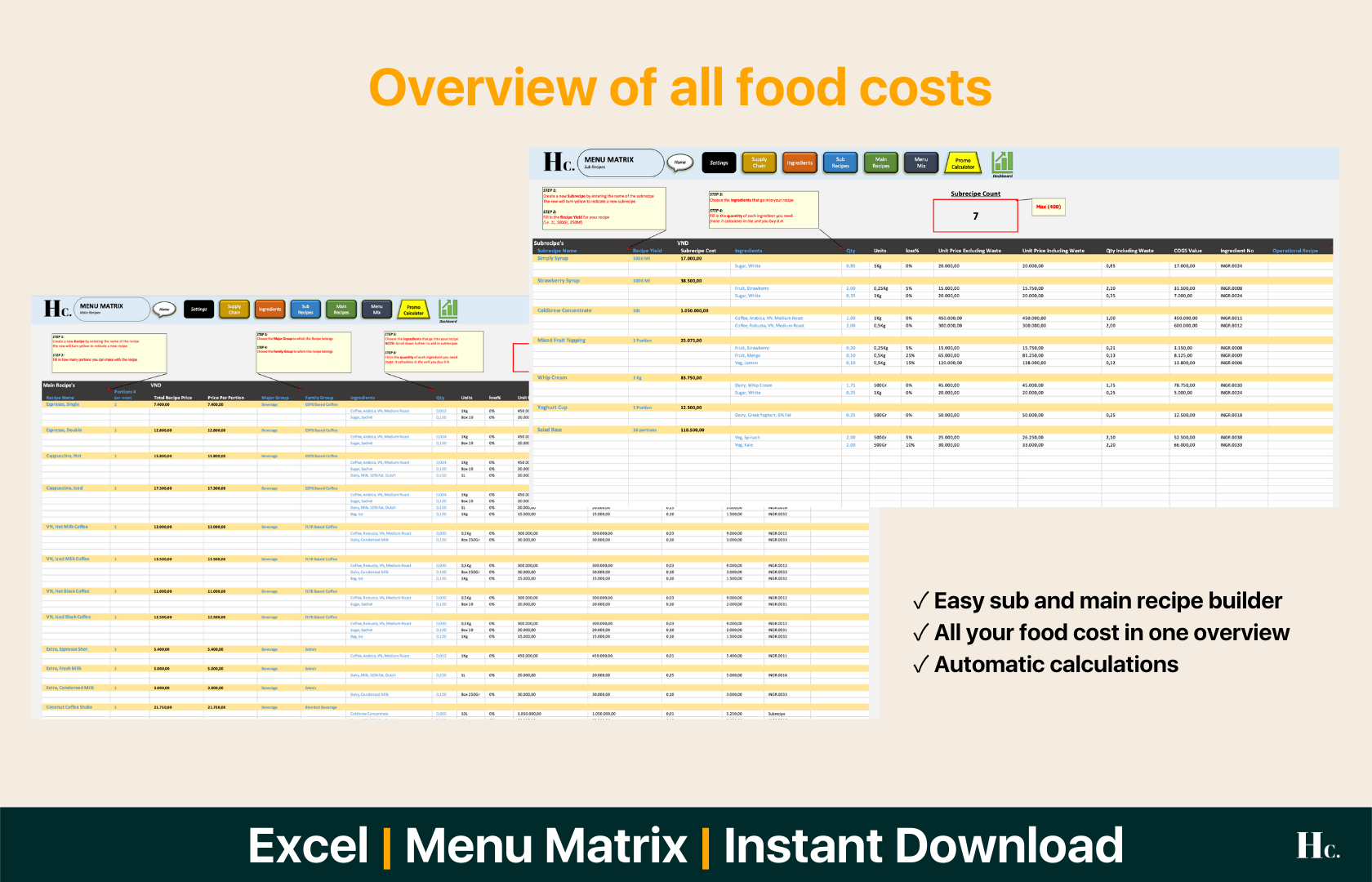
A comprehensive menu costing template goes beyond simply listing prices. It’s a detailed system that considers numerous factors to ensure accurate and profitable pricing. The process begins with gathering data – understanding your costs, market rates, and desired profit margins. This initial assessment forms the bedrock of your template. A good template will include sections for:

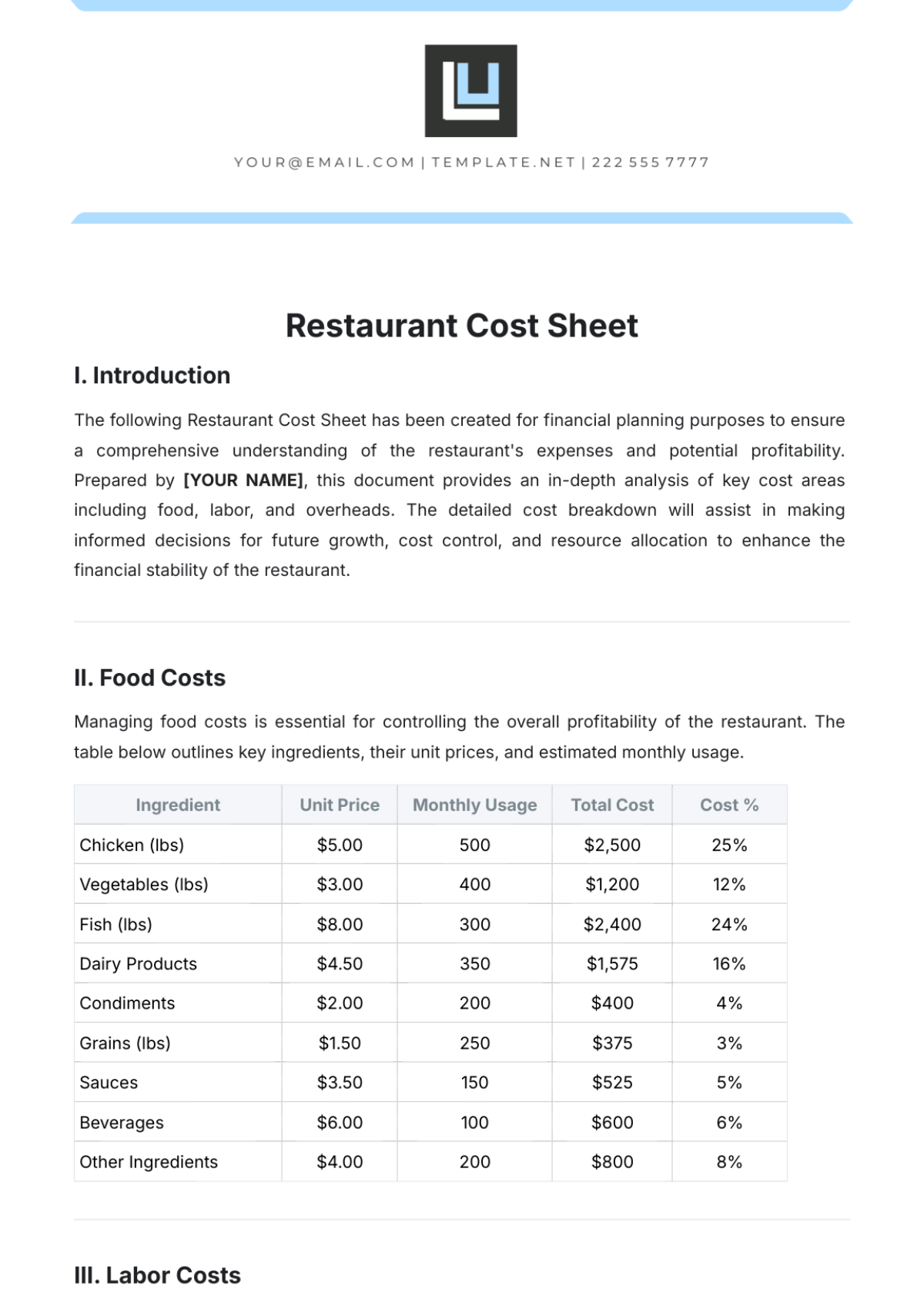
- Food Costs: This is the most critical component. It details the cost of each dish, broken down by ingredient.
- Labor Costs: Accurately calculating labor costs is vital. This includes hourly wages, overtime, and benefits.
- Rent & Utilities: Factor in the cost of your space, including rent, utilities, and property taxes.
- Marketing & Advertising: Budget for promotional activities, online advertising, and other marketing efforts.
- Other Expenses: Include costs like point-of-sale (POS) system fees, cleaning supplies, and insurance.
Food Costs: A Deep Dive
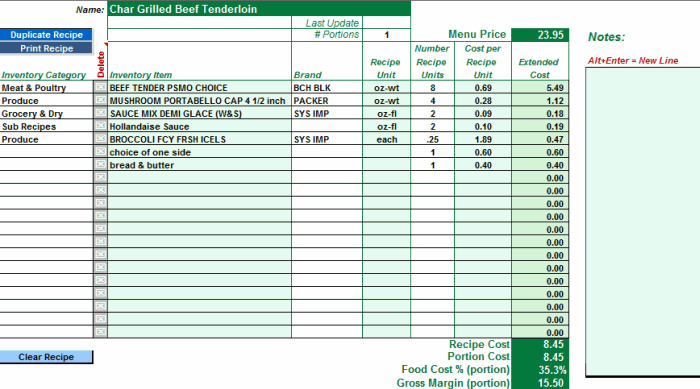
The accuracy of your menu costing hinges on the accuracy of your food costs. This section requires meticulous tracking and analysis. Here’s a breakdown of key considerations:
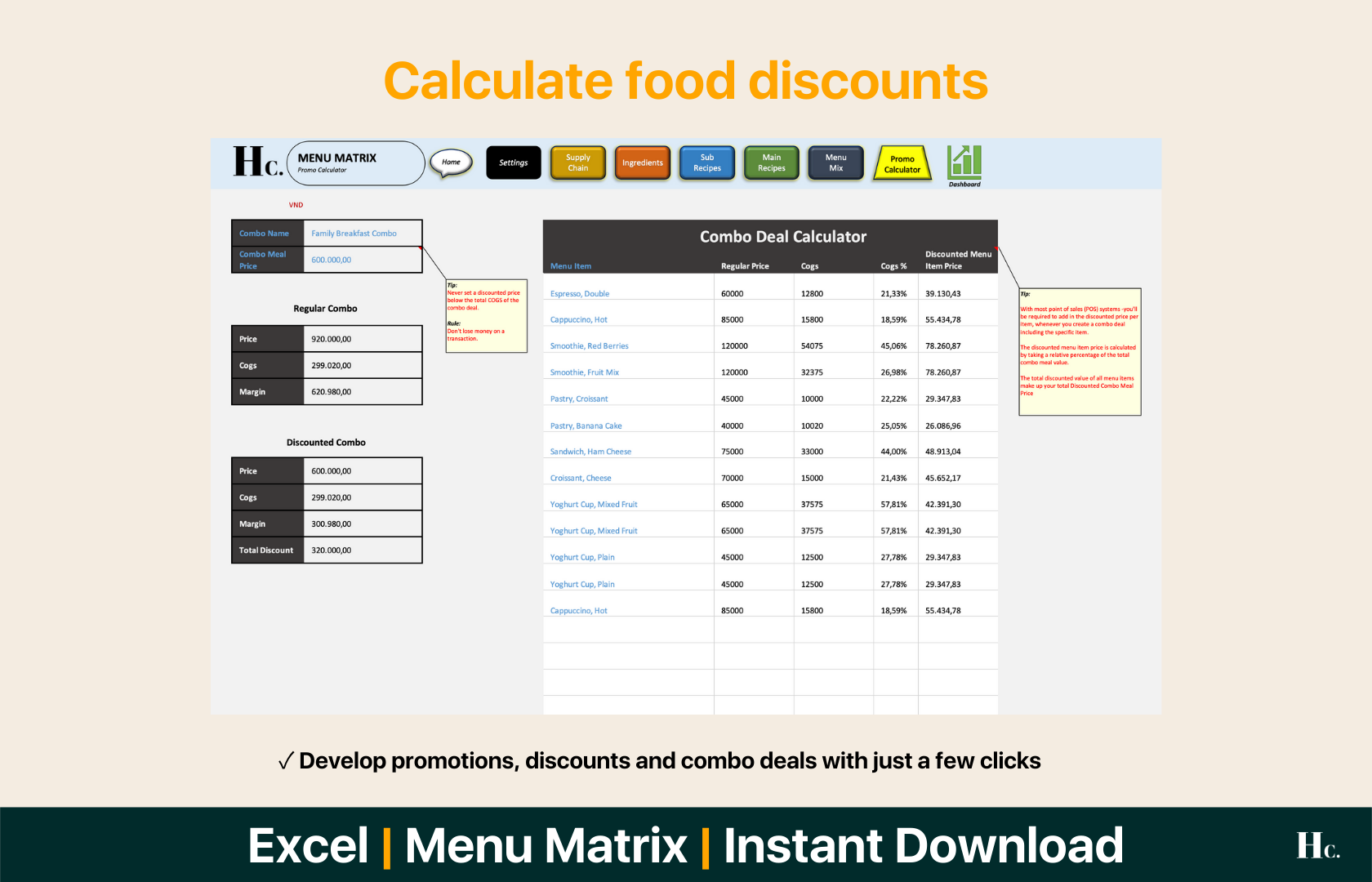
- Ingredient Costs: Record the cost of every ingredient used in each dish. Don’t just look at the price per unit; consider the volume of ingredients used.
- Supplier Pricing: Establish relationships with reliable suppliers and negotiate favorable pricing. Regularly review supplier contracts.
- Waste Tracking: Implement a system to track food waste. Identifying and addressing waste is crucial for controlling costs.
- Menu Engineering: This is a critical process. It involves analyzing the profitability of each dish. Consider factors like ingredient cost, preparation time, and customer demand. A menu engineer can suggest adjustments to pricing to maximize profit.
- Cost per Serving: Calculate the cost per serving for each dish to ensure you’re pricing competitively.
Labor Costs: Beyond Hourly Wages
Labor costs are often the largest expense for restaurants. A well-structured template should include:

- Hourly Wage Rates: Determine appropriate hourly wages for each position (cook, server, bartender, etc.).
- Overtime Rates: Factor in overtime pay for hours worked beyond the standard schedule.
- Benefits Costs: Include the cost of employee benefits such as health insurance, retirement plans, and paid time off.
- Training Costs: Account for the cost of training new employees.
- Payroll Taxes & Insurance: Don’t forget to include payroll taxes and employee insurance premiums.
- Labor Productivity: Track employee productivity to ensure you’re paying appropriately.
Rent & Utilities: A Recurring Expense
Rent and utilities represent a significant ongoing expense. A template should include:
- Monthly Rent: Calculate your monthly rent based on the property’s size and location.
- Utilities: Include the cost of electricity, gas, water, and sewer.
- Property Taxes: Factor in property taxes.
- Maintenance & Repairs: Budget for routine maintenance and unexpected repairs.
- Insurance: Include property insurance and liability insurance.
Marketing & Advertising: Boosting Visibility
Don’t underestimate the importance of marketing and advertising. A template should include:

- Online Advertising Costs: Allocate budget for online advertising campaigns (e.g., Google Ads, social media ads).
- Social Media Marketing: Allocate budget for social media content creation and engagement.
- Print Advertising: Consider the cost of print advertising in local publications.
- Promotional Offers: Budget for promotional offers and discounts.
Other Expenses: A Detailed Breakdown
- Point-of-Sale (POS) System Fees: Factor in the monthly fees for your POS system.
- Cleaning Supplies: Budget for cleaning supplies and maintenance.
- Insurance: Include liability insurance, property insurance, and workers' compensation insurance.
- Licenses & Permits: Account for the cost of business licenses and permits.
- Supplies: Include costs for food, beverages, and other supplies.
Menu Engineering: Pricing Strategies
Menu engineering is a critical process for maximizing profitability. Here are some techniques:

- Value Pricing: Price menu items based on the perceived value to the customer.
- Competitive Pricing: Research competitor pricing and adjust your prices accordingly.
- Psychological Pricing: Use pricing strategies that appeal to customers’ emotions (e.g., $9.99 instead of $10).
- Bundle Pricing: Offer discounts for purchasing multiple items together.
- Tiered Pricing: Offer different price points for different levels of service or ingredients.
Analyzing Profitability: Calculating Your Margins
A key aspect of menu costing is calculating your profit margins. This involves determining the cost of each dish and dividing it by the number of units sold. A healthy profit margin is essential for long-term success. A common rule of thumb is to aim for a profit margin of 15-25%. This will vary depending on the type of restaurant and your target market.

Tracking and Reporting: Maintaining Accuracy
Regularly track your expenses and revenue to ensure your menu costing template is accurate. Use a spreadsheet or accounting software to manage your data. Generate reports to monitor your profitability and identify areas for improvement. This data-driven approach is essential for making informed decisions.
Conclusion: Building a Sustainable Restaurant Menu
A well-designed and meticulously maintained restaurant menu costing template is an invaluable asset for any restaurant owner. It’s not just about setting prices; it’s about understanding your costs, optimizing profitability, and making informed decisions that drive business growth. By consistently tracking expenses, analyzing data, and refining your template, you can create a system that delivers sustainable success. Remember that Restaurant Menu Costing Template is a living document – it should be updated regularly to reflect changes in your business and the market. Continuous improvement is key to maintaining a healthy and profitable restaurant. Investing in a robust menu costing system is an investment in the future of your business.
0 Response to "Restaurant Menu Costing Template"
Posting Komentar