
The United States Air Force utilizes PowerPoint presentations extensively for a variety of communication and training purposes. Creating a professional and effective PowerPoint template is crucial for conveying information clearly and concisely. This article will explore the key elements of designing a robust Air Force Powerpoint template, focusing on best practices and considerations for ensuring its usability and impact. A well-crafted template can significantly enhance the presentation’s professionalism and effectiveness, ultimately contributing to successful mission execution. Understanding the nuances of design and content is paramount to creating a template that truly meets the needs of the Air Force. The core of a successful Air Force Powerpoint template lies in its ability to present information in a visually appealing and easily digestible manner, supporting clear communication and strategic decision-making. It’s not just about aesthetics; it’s about functionality and alignment with the Air Force’s operational requirements. Let’s delve into the specifics.
Understanding the Needs of the Air Force
The Air Force operates in a demanding environment, requiring presentations that are both informative and impactful. Standard PowerPoint templates often fall short when it comes to the specific needs of military personnel. The template must be adaptable to diverse situations, from briefings and training exercises to strategic planning sessions. Furthermore, the design should prioritize clarity and ease of understanding, reflecting the importance of rapid information processing. The Air Force values efficiency and precision, and a well-designed PowerPoint template reinforces these values. Consider the audience – are they technical experts, commanders, or a mix? Tailoring the template’s complexity and visual style accordingly is vital. The goal is to create a template that empowers presenters to deliver compelling messages effectively. A key consideration is the need for consistent branding – incorporating the Air Force’s official colors and logo to reinforce recognition and trust.
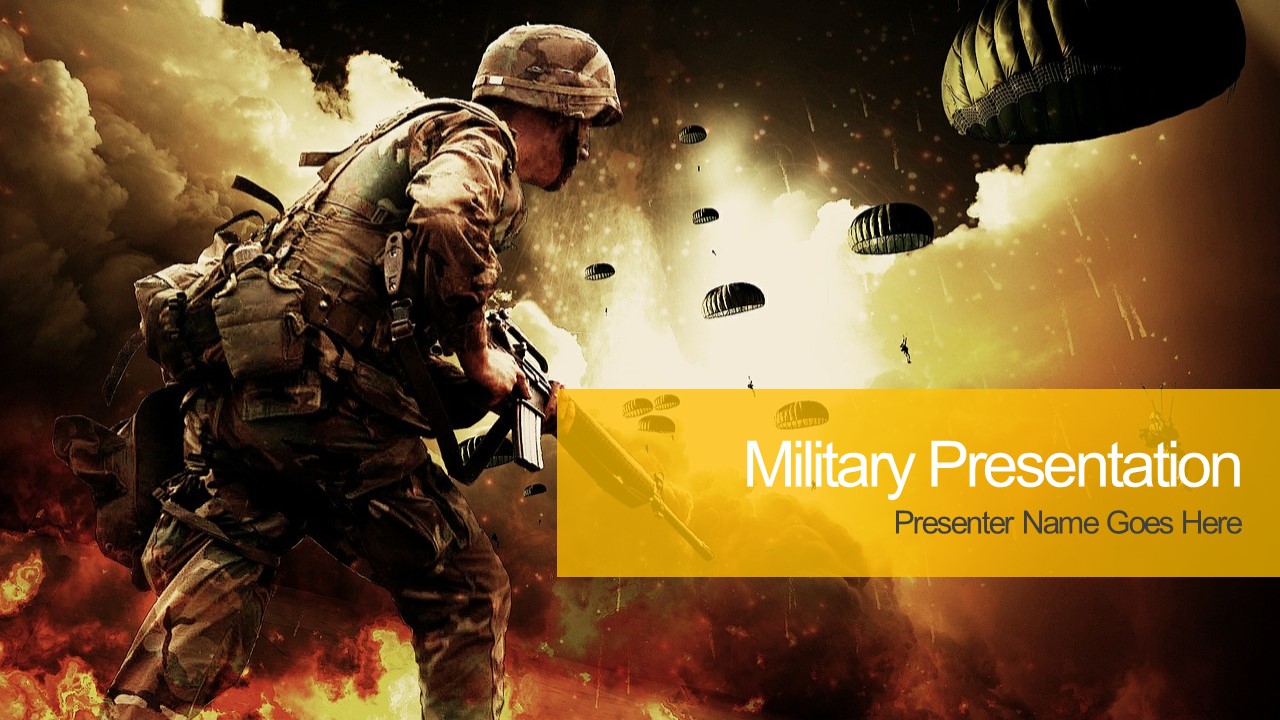
Core Elements of a Successful Air Force Powerpoint Template
A truly effective Air Force Powerpoint template should incorporate several key elements. Firstly, visual hierarchy is critical. Use font sizes, colors, and spacing to guide the viewer’s eye and emphasize important information. Employ a limited color palette – typically a combination of blues, grays, and whites – to maintain a professional and serious tone. Secondly, clear and concise text is essential. Avoid lengthy paragraphs and use bullet points and concise phrases to convey information efficiently. Thirdly, high-quality images and graphics can significantly enhance the visual appeal and understanding of the presentation. However, ensure that all images are properly licensed and relevant to the content. Finally, consistent formatting is crucial – maintaining consistent font styles, bullet point styles, and alignment throughout the template ensures a polished and professional look.

Section 1: Introduction and Overview – Setting the Stage
The introduction to a PowerPoint presentation for the Air Force should immediately establish the context and purpose. It’s a brief overview of the presentation’s scope and intended audience. A strong introduction should quickly establish the topic and highlight the key takeaways. For example, a presentation on new training protocols might begin with a statement like: “This presentation outlines the updated procedures for [Training Program Name], designed to enhance [Specific Skill] and improve operational effectiveness.” The introduction should also briefly mention the target audience – “This presentation is intended for [Specific Group, e.g., Command Staff, Tactical Teams].” A well-crafted introduction sets the tone for the entire presentation and ensures that the audience is engaged from the outset. It’s a critical first impression, and it needs to be impactful.
Section 2: Operational Procedures – Detailed Guidance
This section focuses on providing detailed guidance on specific operational procedures. For example, a presentation on air traffic control would include sections on flight planning, airspace management, and communication protocols. Each procedure should be clearly explained with step-by-step instructions and relevant visuals. Consider using diagrams and flowcharts to illustrate complex processes. It’s important to avoid ambiguity and to provide clear examples. The level of detail should be appropriate for the audience – a presentation for experienced personnel will require more detailed explanations than one for new recruits. Furthermore, incorporating checklists and key performance indicators (KPIs) can enhance the practical value of this section. Regular updates and revisions are vital to ensure the procedures remain current and relevant.
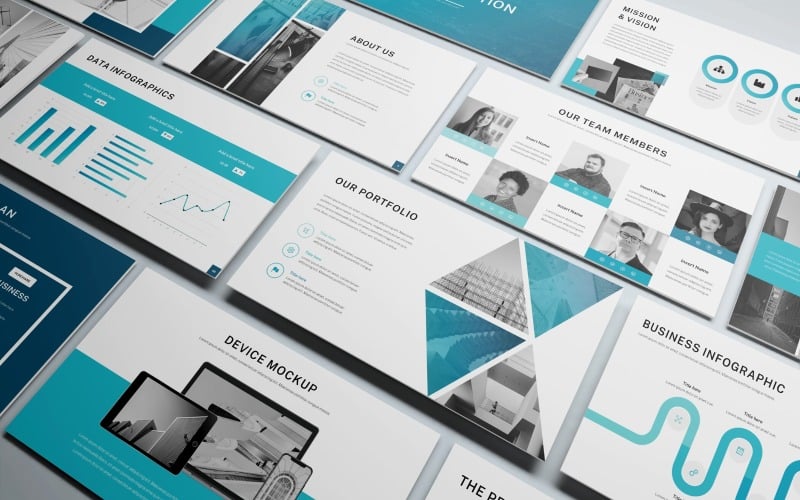
Section 3: Training and Exercises – Simulation and Evaluation
Training and exercises are a cornerstone of the Air Force’s operational capabilities. This section should detail the types of training programs offered and the evaluation methods used. It could include information on simulator scenarios, live exercises, and post-exercise debriefing. Visuals should be used extensively to illustrate training scenarios and demonstrate the effectiveness of the programs. Consider incorporating videos or simulations to enhance engagement. The evaluation process should be clearly outlined, including metrics for success and feedback mechanisms. Regularly assessing training effectiveness is crucial for continuous improvement. The presentation should emphasize the importance of realistic scenarios and the need for thorough debriefing to identify areas for improvement.

Section 4: Strategic Planning – Mission Objectives and Tactics
This section addresses strategic planning, focusing on mission objectives, tactical approaches, and resource allocation. It might include a discussion of current strategic priorities, future operational plans, and the role of technology in achieving these goals. Visual aids, such as maps and charts, can be used to illustrate strategic concepts. The presentation should clearly articulate the Air Force’s strategic vision and how it translates into actionable plans. It’s important to present data and analysis to support strategic decisions. Consider incorporating a SWOT analysis (Strengths, Weaknesses, Opportunities, Threats) to provide a comprehensive overview of the situation. This section requires a high degree of analytical rigor.
Section 5: Equipment and Technology – Utilizing Modern Tools
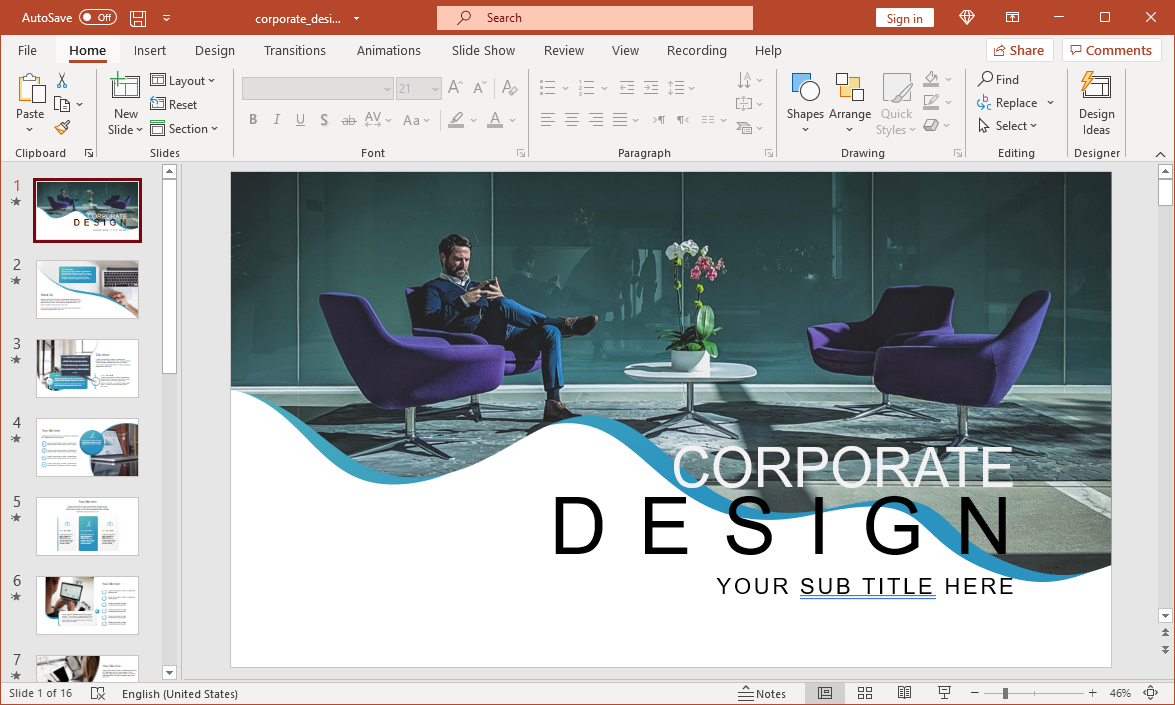
This section highlights the Air Force’s investment in modern equipment and technology. It could cover the use of drones, radar systems, and other advanced tools. Visuals should showcase the capabilities of these technologies. It’s important to demonstrate how these tools support mission effectiveness. Consider including diagrams and technical specifications. Furthermore, the presentation should address cybersecurity considerations and data protection protocols. The Air Force is increasingly reliant on technology, and a robust understanding of its capabilities is essential. Regular updates on new equipment and technology are crucial.
Section 6: Conclusion – Key Takeaways and Next Steps
The conclusion of a PowerPoint presentation for the Air Force should summarize the key takeaways and provide a clear call to action. It should reiterate the main points of the presentation and emphasize the importance of the information presented. A strong conclusion should leave the audience with a clear understanding of the Air Force’s mission and its role in supporting national security. It’s a final opportunity to reinforce the message and inspire action. For example, the conclusion could state: “By understanding the principles outlined in this presentation, personnel can effectively contribute to achieving [Air Force Mission] and safeguarding national interests.” Finally, it’s beneficial to include a brief call to action, such as encouraging further research or participation in training programs.
Conclusion
Designing an effective PowerPoint template for the Air Force requires a thoughtful and strategic approach. By focusing on clear communication, visual appeal, and practical relevance, you can create a template that empowers presenters to deliver compelling messages and support the Air Force’s mission. The key is to understand the specific needs of the audience and tailor the template accordingly. Continuous refinement and updates are essential to ensure the template remains current and effective. Remember, the ultimate goal is to enhance communication and promote operational excellence. A well-executed PowerPoint template is an invaluable asset for any Air Force professional. The principles discussed in this article provide a solid foundation for creating impactful presentations that contribute to the success of the Air Force.
0 Response to "Air Force Powerpoint Template"
Posting Komentar