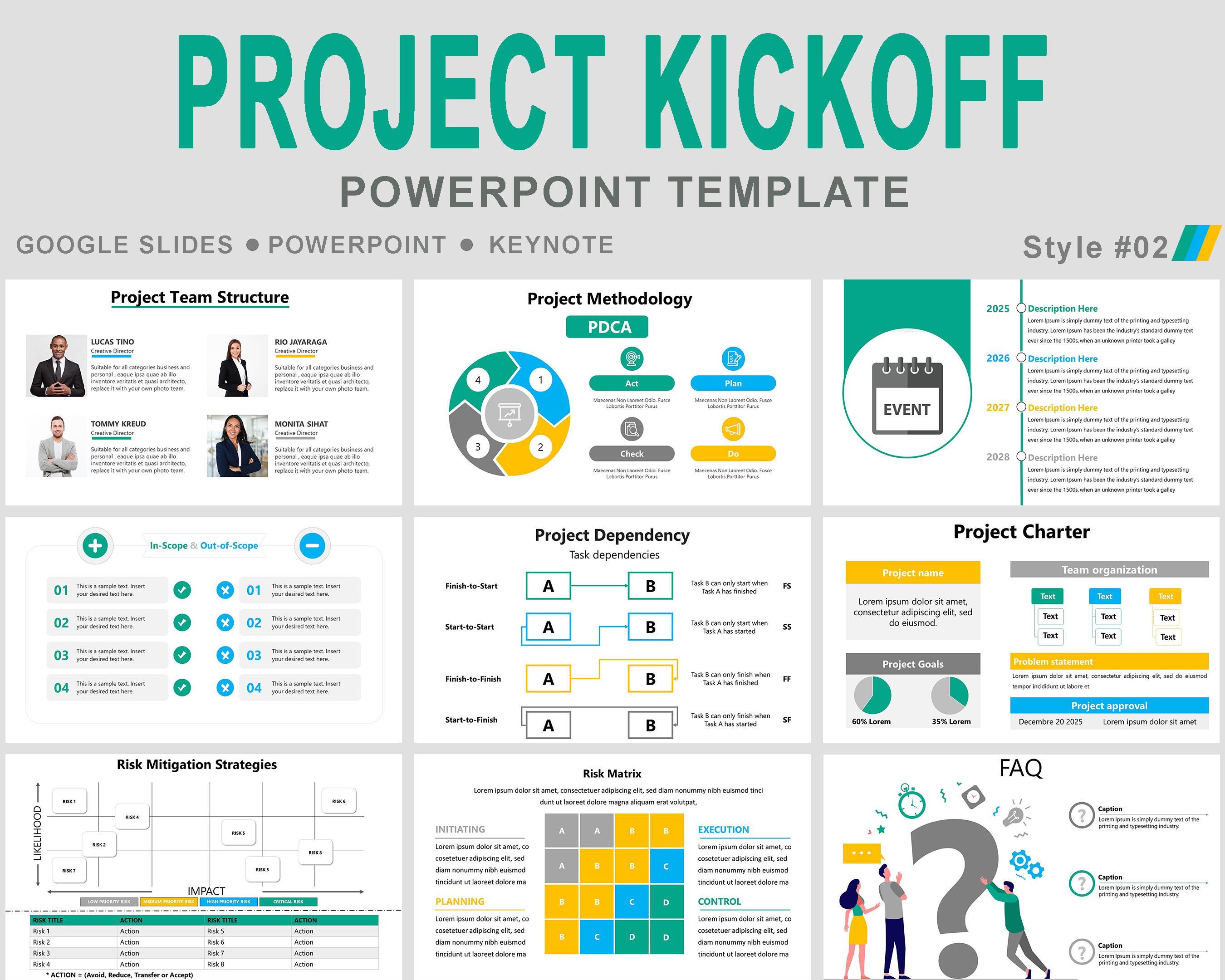
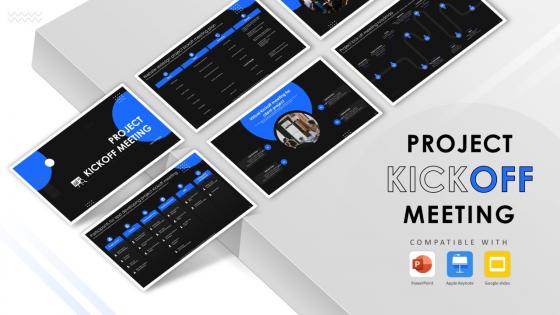
The success of any project hinges on clear communication and a shared understanding of goals. A well-executed project kickoff meeting is the cornerstone of this process, setting the stage for a productive and collaborative team. A compelling presentation template is crucial for delivering this information effectively and ensuring everyone is on the same page. This article will explore the essential elements of a project kickoff meeting presentation template, providing you with the tools and guidance to create a template that resonates with your team and drives project success. Project Kickoff Meeting Presentation Template – understanding its components is vital for any project manager or team leader. It’s more than just a slide deck; it’s a strategic tool for building trust, setting expectations, and fostering a shared vision. Let’s dive in.
The Importance of a Project Kickoff Meeting
Before any project begins, a dedicated kickoff meeting is paramount. It’s the opportunity to formally introduce the project, outline its objectives, define roles and responsibilities, and establish communication channels. A poorly planned or executed kickoff can lead to misunderstandings, delays, and ultimately, project failure. Conversely, a well-structured meeting fosters a sense of ownership, encourages collaboration, and minimizes potential conflicts. It’s a chance to solidify the project’s foundation and ensure everyone understands why the project is important and how they contribute. The initial meeting sets the tone for the entire project lifecycle, influencing how the team works and approaches challenges. Investing time and effort into a robust kickoff meeting is an investment in a successful outcome.

Defining Project Goals and Objectives
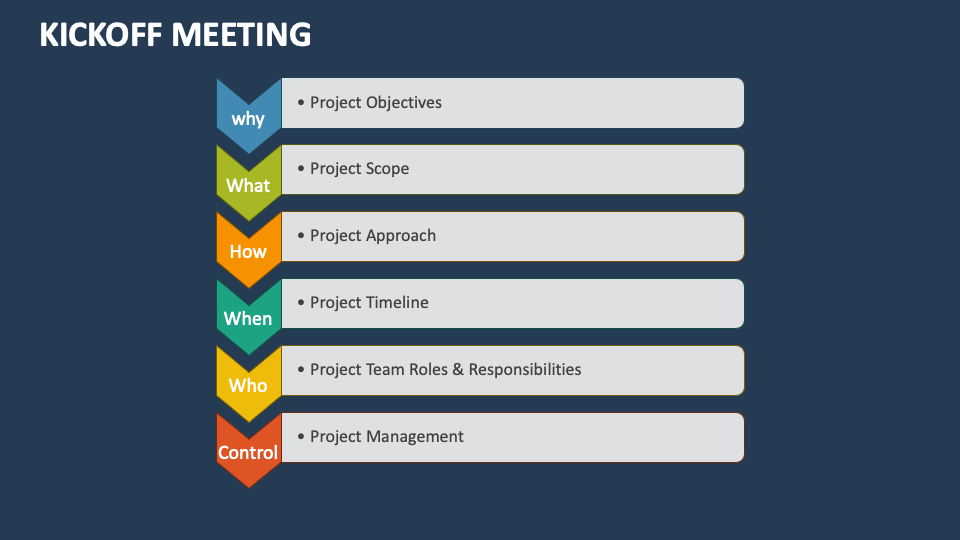
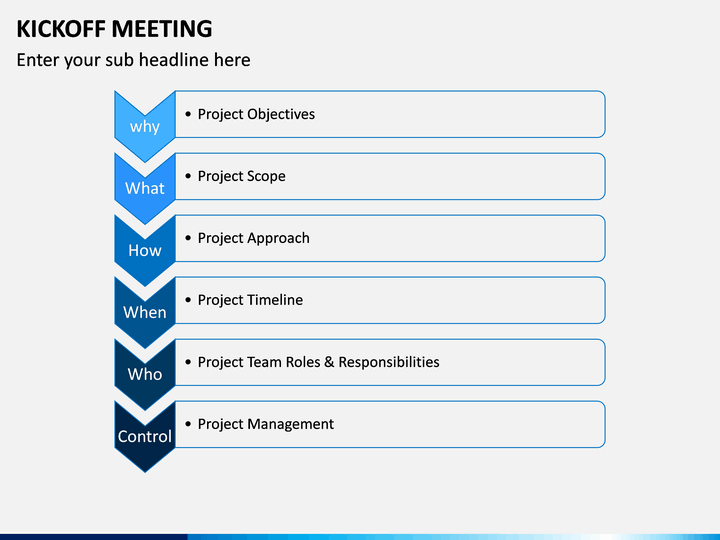
The first and arguably most critical step is clearly defining the project’s goals and objectives. What problem are we trying to solve? What are we hoping to achieve? These questions need to be thoroughly addressed during the kickoff meeting. It’s vital to establish SMART goals – Specific, Measurable, Achievable, Relevant, and Time-bound. For example, instead of stating “Improve customer satisfaction,” a SMART goal would be “Increase customer satisfaction scores by 10% within six months by implementing a new feedback system.” Documenting these goals and objectives should be a shared document, readily accessible to all team members. This ensures everyone understands the ‘why’ behind the project and their individual role in achieving success. Without clearly defined objectives, the project risks becoming unfocused and directionless.
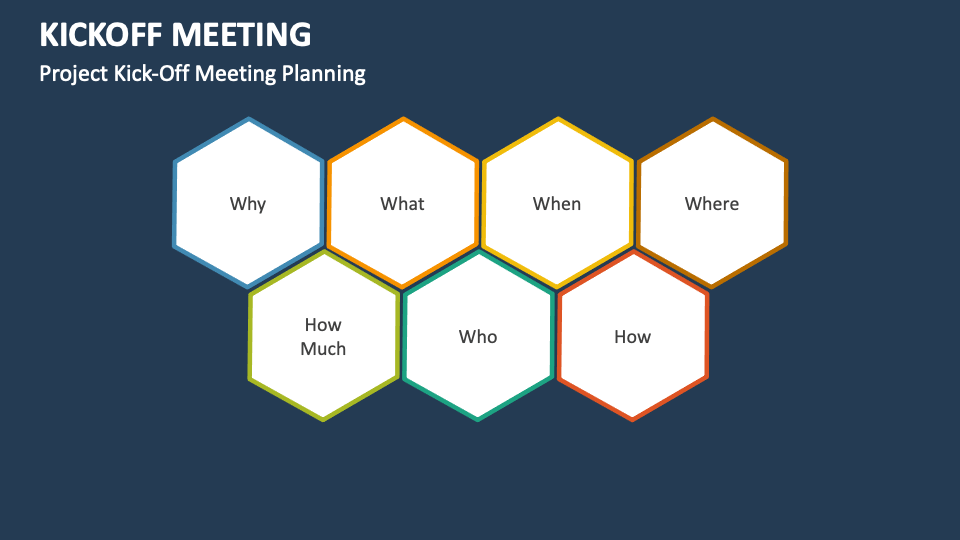
Roles and Responsibilities – Defining the Team
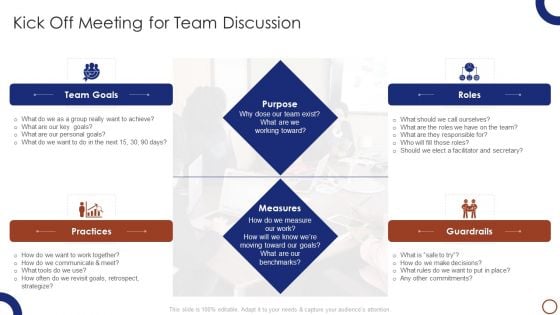
Clearly outlining roles and responsibilities is another key component of a successful kickoff meeting. Each team member needs to understand their specific duties and how they contribute to the overall project. This prevents confusion and ensures accountability. A RACI matrix (Responsible, Accountable, Consulted, Informed) can be incredibly helpful in clarifying these roles. For instance, “Marketing” might be Responsible for creating marketing materials, while “Sales” is Accountable for closing deals. The meeting should facilitate a discussion about each team member’s responsibilities and how they interact with others. It’s important to acknowledge that roles can evolve during the project, but the initial assignment should be clearly defined.
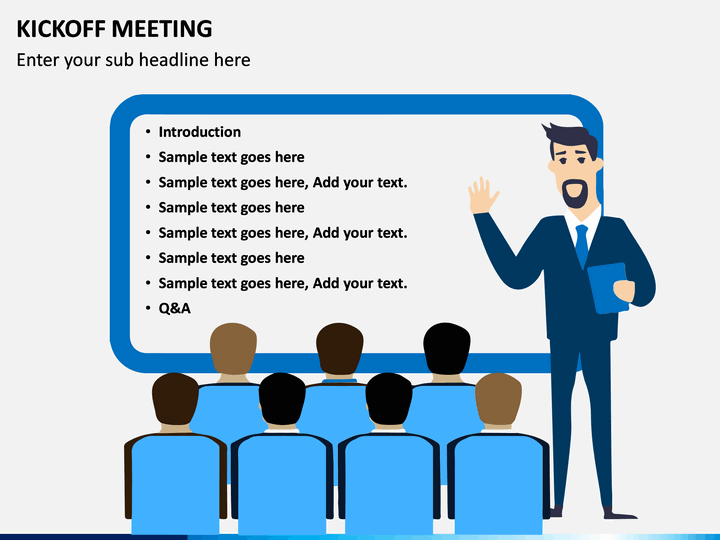
Communication Plan – How Will We Stay Connected?
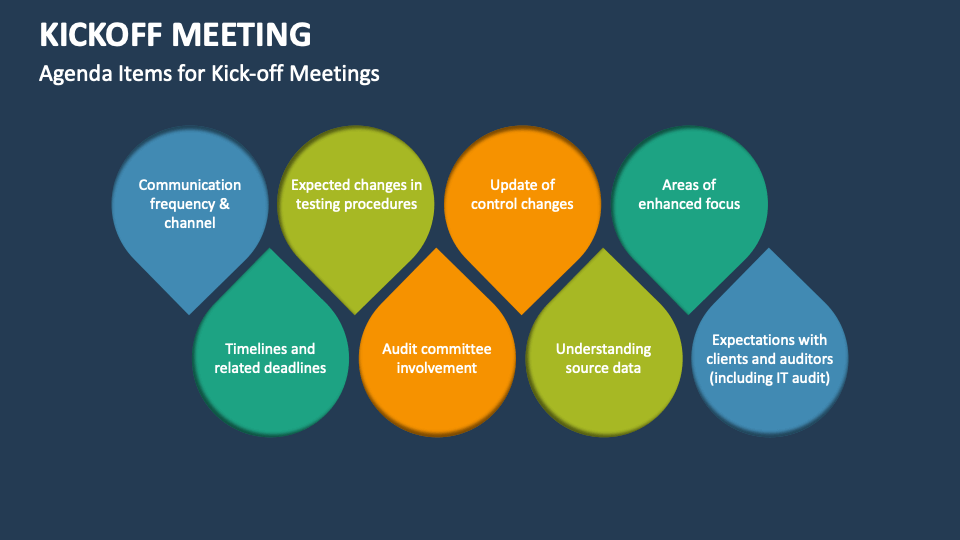
Establishing a robust communication plan is essential for keeping everyone informed and aligned throughout the project lifecycle. This includes identifying the primary communication channels – email, project management software, regular meetings, and instant messaging – and establishing guidelines for their use. Who will be the point of contact for each channel? How often will updates be shared? What’s the process for escalating issues? A clear communication plan minimizes misunderstandings and ensures everyone is on the same page. Consider incorporating a schedule for regular project status updates, both formal and informal. Transparency is key to maintaining a positive and collaborative team environment.
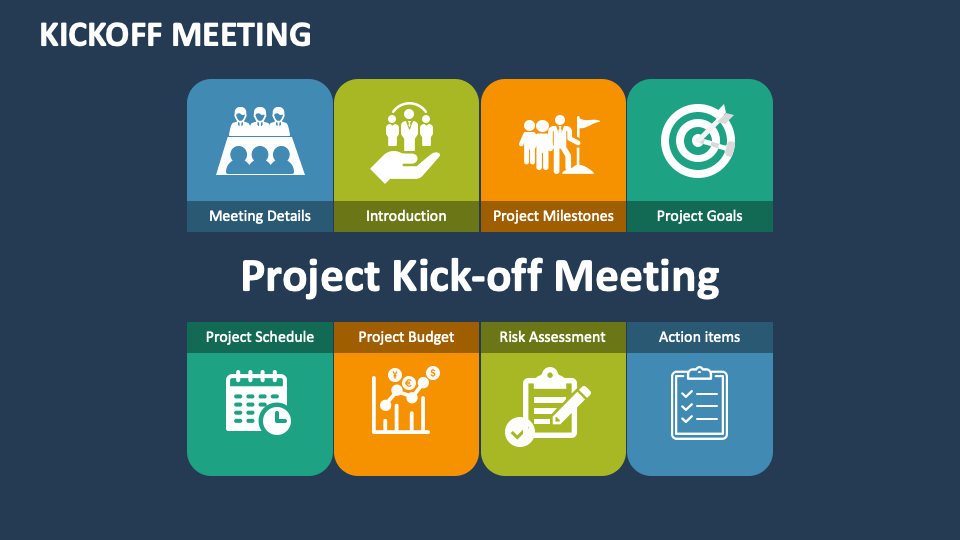
Project Timeline and Milestones – A Roadmap to Success
A visual representation of the project timeline and key milestones is crucial for keeping the team focused and on track. This can be achieved through a Gantt chart or a similar visual tool. The timeline should include all major milestones, deadlines, and dependencies. It’s important to identify potential roadblocks and proactively address them before they impact the project schedule. Discussing the project’s overall timeline and milestones during the kickoff meeting allows the team to visualize the project’s progress and identify potential delays early on. Regular monitoring of the timeline is vital for ensuring the project stays on schedule.
Budget and Resource Allocation – Financial and Material Considerations
A clear understanding of the project budget and resource allocation is critical for managing costs effectively and ensuring the project has the necessary resources. The kickoff meeting should cover the estimated costs associated with the project, including labor, materials, and equipment. Discussing resource allocation – who is responsible for what – is also important. Are there any potential resource constraints that need to be addressed? A preliminary budget and resource plan should be presented during the meeting, allowing the team to make informed decisions about resource allocation. It’s vital to establish a clear process for tracking expenses and managing budget changes.
Risk Assessment – Identifying Potential Challenges
A proactive approach to risk management is essential for identifying potential challenges and developing mitigation strategies. The kickoff meeting provides an opportunity to discuss potential risks and assign ownership for addressing them. Brainstorming potential risks – such as technical challenges, resource constraints, or market changes – allows the team to develop contingency plans. Documenting these risks and their potential impact is crucial for ensuring the project remains on track. Regularly reviewing and updating the risk assessment is important throughout the project lifecycle.
Project Scope – Defining Boundaries
Clearly defining the project scope is a fundamental step. What is included in the project, and what is not included? This prevents scope creep – the uncontrolled expansion of the project’s boundaries – which can derail the project and lead to budget overruns and delays. The kickoff meeting should formally document the project scope, outlining the deliverables and the boundaries of the project. It’s important to ensure that all team members have a shared understanding of what is and isn’t part of the project. Any changes to the scope should be formally documented and approved by all stakeholders.
Stakeholder Management – Keeping Everyone Informed
Identifying and engaging key stakeholders throughout the project lifecycle is crucial for maintaining support and ensuring alignment. The kickoff meeting provides an opportunity to introduce stakeholders to the project and solicit their input. Discussing their expectations and concerns allows the team to address any potential conflicts early on. Regular communication with stakeholders is essential for keeping them informed of project progress and addressing any issues that arise. A stakeholder register should be maintained to track stakeholder contact information and communication preferences.
Conclusion
A well-executed project kickoff meeting is more than just a formality; it’s a strategic investment in project success. By clearly defining goals, roles, communication plans, and timelines, you can foster a collaborative environment, minimize misunderstandings, and increase the likelihood of delivering a successful project. Remember, the initial meeting sets the stage for the entire project lifecycle, so investing the time and effort to create a robust and effective kickoff presentation template is a worthwhile endeavor. The template should be a living document, regularly reviewed and updated as the project progresses. Continuous communication and collaboration are key to navigating the complexities of project management and achieving desired outcomes. By prioritizing these elements, you’ll be well-equipped to lead your team to a successful and impactful project.
Conclusion
The project kickoff meeting is a critical juncture in the project lifecycle. It’s the opportunity to lay the groundwork for a successful outcome, fostering collaboration, setting expectations, and ensuring everyone is aligned. A thoughtfully crafted presentation template, coupled with a proactive approach to communication and risk management, will significantly enhance the chances of achieving project goals. By consistently investing in these elements, you’ll be building a foundation for long-term success. The key takeaway is that a well-planned kickoff meeting isn’t just a formality; it’s a strategic investment in a thriving project.
0 Response to "Project Kickoff Meeting Presentation Template"
Posting Komentar